Facebook
Youtube
Instagram
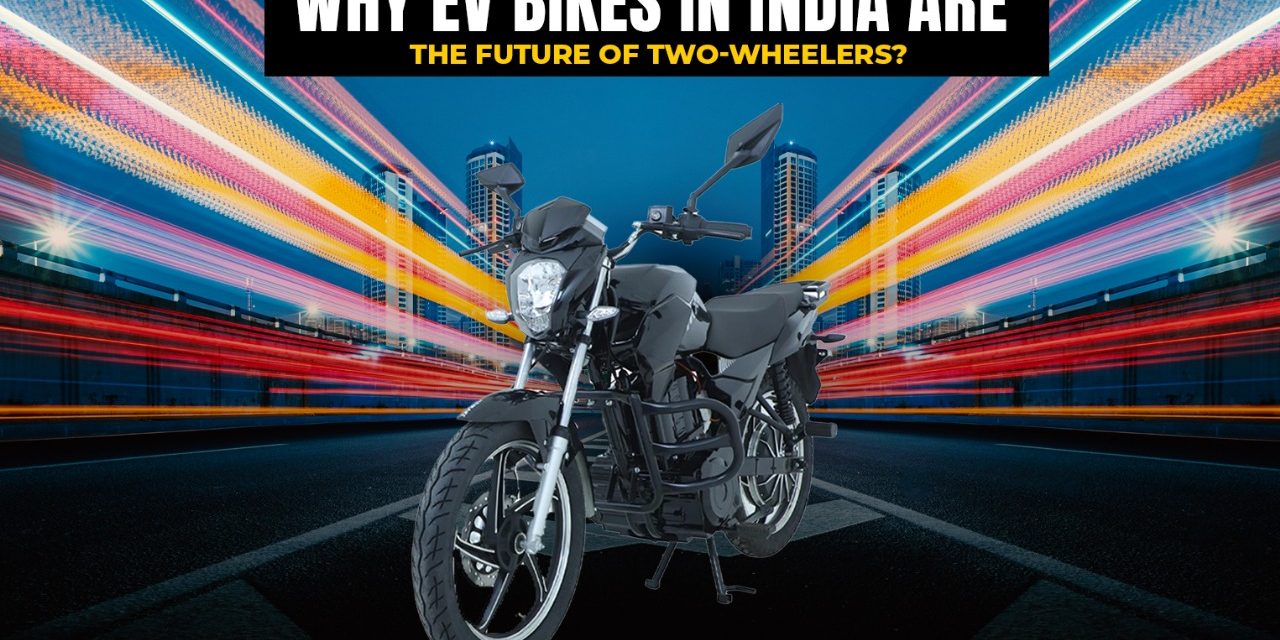
A few years ago, the idea of electric bikes ruling Indian roads felt far off. Today, it’s happening in real-time. With rising fuel prices, pollution concerns, and smarter tech, EV bikes in India are no longer just an alternative — they’re becoming the obvious next step.
If you’ve been noticing more silent, battery-powered bikes zipping past you, you’re not alone. There’s a shift underway — and it’s just getting started.
How EV Bikes in India Are Transforming Urban Mobility?
Let’s face it: city travel isn’t easy. Between traffic, fuel costs, and the daily grind, riders are constantly looking for a smarter way to move.
Here’s how EV two-wheelers in India are making city travel better:
-
Instant Savings
Charging costs much less than refueling with petrol.
-
Quiet Rides
No engine noise, which means less stress in traffic.
-
No More Fuel Stops
You charge at home — no detours to the petrol station.
-
Low Maintenance
Fewer moving parts, fewer service visits.
-
Eco-Friendly Travel
No tailpipe emissions. Cleaner air for everyone.
For daily riders, this isn’t just a trend — it’s a lifestyle upgrade.
Why EV Bikes Are Gaining Popularity Over Petrol Two-Wheelers?
The shift isn’t just about the environment — it’s about practicality. More riders are choosing popular EV bikes in India because they’re simply more convenient.
Here’s what’s tipping the scales:
-
Cost Efficiency
EVs save money from day one. No fuel, fewer repairs.
-
Growing Model Options
From basic scooters to high-speed EV bikes, there’s something for every rider.
-
Better Tech, Smarter Rides
App controls, digital dashboards, and ride modes are becoming standard.
-
Modern Appeal
Riders, especially younger ones, see EVs as a smarter, cleaner choice.

For many, switching to electric is no longer a debate — it’s the next move.
The Role of Government Policies in the EV Bike Revolution
It’s not just the riders pushing the shift — the government’s playing a huge part too. Through incentives, policies, and infrastructure, India is setting the stage for electric to go mainstream.
Here’s how:
-
FAME II Subsidy
Central government support makes many new e-bike models more affordable.
-
State-Level Benefits
Some states offer extra discounts, zero registration charges, and road tax waivers.
-
Charging Infrastructure Expansion
Public and private players are installing more charging stations across cities.
-
Push for Local Manufacturing
More support for Made-in-India EV brands, leading to faster innovation.

All of this helps boost the EV bike market growth, making it easier for everyday riders to make the switch.
Frequently Asked Questions
Why Are EV Bikes Growing in India?
Because they’re practical. With rising fuel prices and lower running costs, riders see real savings. Add to that smoother rides and less maintenance, and EVs become a no-brainer.
Are EV Bikes In India Better Than Petrol Bikes?
In many ways, yes. They’re quieter, cleaner, and cheaper to run. While they may have a different feel, modern best battery bikes in India are catching up fast in terms of performance and reliability.
What Is the Lifespan of an Electric Bike?
Most electric bikes last 6 to 8 years, depending on usage and care. Battery life can range from 3 to 5 years and is often replaceable, making the bike usable for longer.
Key Takeaways On EV Bikes In India
- EV Bikes in India Are Redefining How We Think About Daily Travel — Cleaner, Quieter, Cheaper.
- They’re Now a Serious Option, Not Just an Eco-Friendly Alternative.
- More Riders Are Choosing Them Over Petrol Bikes Thanks to Better Tech, Savings, and Design.
- Government Support Through Subsidies and Policies Is Speeding Up EV Adoption.
- With a Range of Models Now Available, From Budget Rides to Best Electric Bikes in India, There’s Something for Everyone.
The Shift to Electric Isn’t on the Horizon — It’s Happening Right Now. And EV Bikes in India Are Leading That Charge. They’re Cost-Effective, Reliable, and Built for the Kind of Riding Indian Cities Demand.
As More People Look for Smarter Ways to Move, Electric Bikes Are Quietly Becoming the Future — One Ride at a Time.